In today's competitive digital landscape, marketing success depends on speed, flexibility, and the ability to respond quickly to changing customer demands. Businesses frequently invest in paid advertising, SEO campaigns, content marketing, and conversion optimization to generate leads and increase revenue. However, an often-overlooked technical problem can undermine these investments: an outdated and poorly maintained codebase. Delaying foundational codebase cleanup may seem like a way to save development costs in the short term, but it can gradually drain marketing budgets by slowing down new landing page rollouts, increasing development expenses, and reducing campaign effectiveness.
The Hidden Cost of Technical Debt in Marketing
Technical debt accumulates when developers postpone necessary code improvements, rely on outdated frameworks, or implement temporary solutions instead of addressing underlying technical problems. Although these shortcuts may help businesses launch products or campaigns quickly at first, they often create long-term maintenance challenges. As a codebase becomes increasingly complex, developers spend more time understanding existing structures, resolving dependencies, and preventing unexpected issues.
For marketing teams, this technical debt directly affects campaign execution. A landing page that could previously be developed and launched within a few days may require extensive developer involvement, repeated testing, and additional troubleshooting. Consequently, marketing teams experience delays that make it harder to capitalize on seasonal opportunities, emerging trends, and time-sensitive promotional campaigns.
How Poor Code Quality Slows Down Landing Page Development
Landing pages are essential components of modern digital marketing strategies. They support paid advertising campaigns, lead generation initiatives, product launches, and targeted SEO efforts. However, when a website's foundational code is poorly organized, creating new landing pages becomes unnecessarily complicated.
Developers may need to work around outdated components, duplicated code, inconsistent styling, and fragile integrations. Even simple changes, such as adding a form, modifying a layout, or integrating a marketing automation tool, can require significant development effort. Instead of focusing on building conversion-focused experiences, developers spend valuable time navigating technical limitations.
This creates a bottleneck between marketing strategy and execution. Marketing teams may have new campaign ideas ready to launch, but their implementation depends on developers who are already occupied with maintenance tasks. The resulting delays can reduce campaign momentum and prevent businesses from responding effectively to customer behavior.
Why Delayed Landing Page Rollouts Increase Marketing Costs
Every marketing campaign operates within a specific budget and timeline. When landing pages are delayed, businesses may continue spending on advertising without having the necessary conversion infrastructure ready. For example, a paid campaign might be scheduled to launch alongside a promotional landing page, but technical complications could postpone the page's release.
These delays can lead to wasted advertising expenditure, missed lead-generation opportunities, and reduced return on investment. Marketing teams may also need to extend campaign timelines, adjust advertising schedules, or allocate additional resources to compensate for missed deadlines.
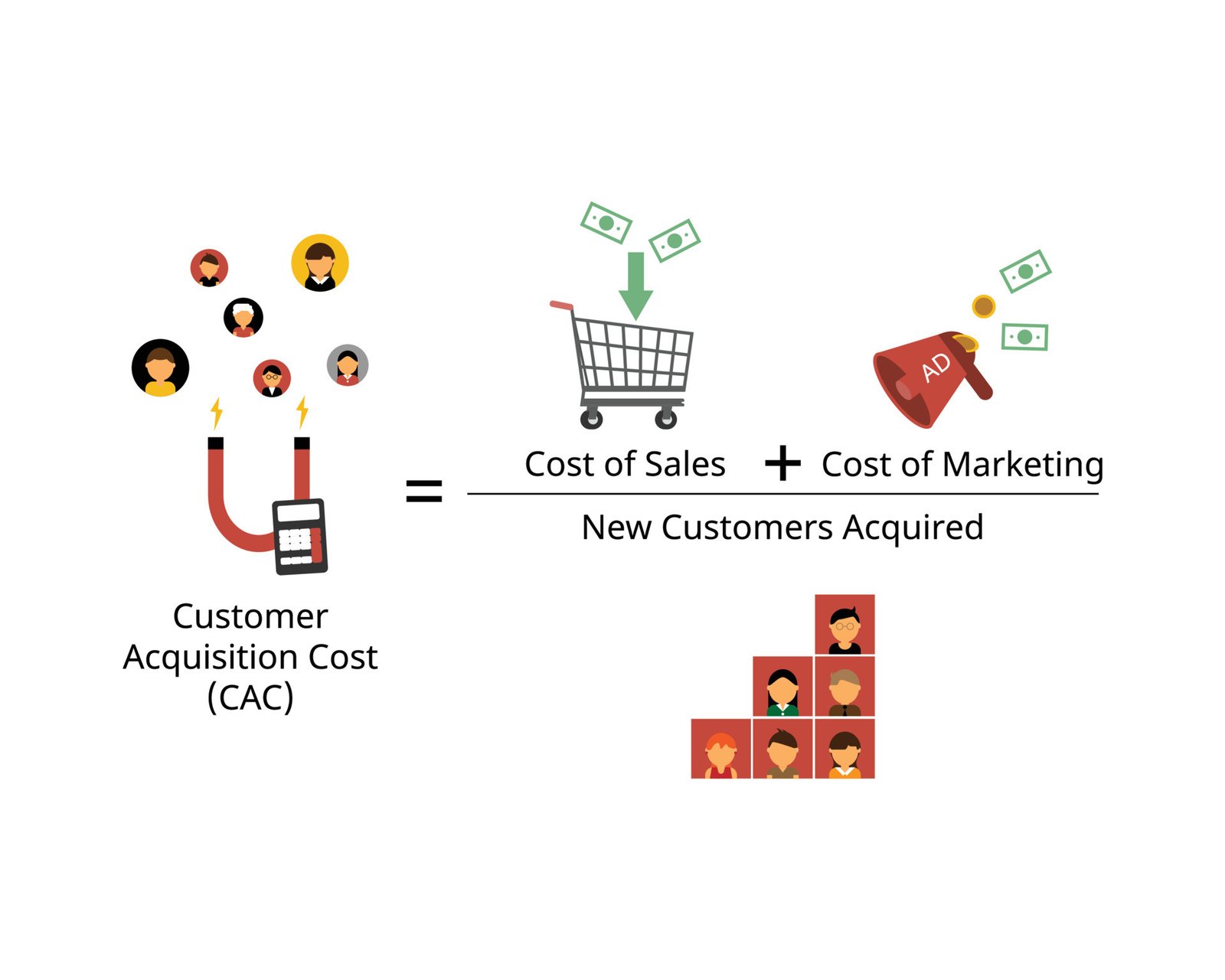
Furthermore, slower landing page development limits experimentation. Businesses that cannot quickly create and test different landing page variations may struggle to identify effective messaging, layouts, and calls to action. This can increase customer acquisition costs because marketing decisions are based on fewer optimization opportunities.
The Impact on SEO and Conversion Rate Optimization
Foundational codebase cleanup is not just a development concern; it also plays an important role in SEO and conversion rate optimization. Poorly maintained code can contribute to unnecessary JavaScript, inefficient resource loading, inconsistent page structures, and performance issues that affect user experience.
When landing pages load slowly or behave inconsistently, visitors may abandon them before completing important actions. This can negatively affect lead generation, customer engagement, and conversion rates.
Additionally, businesses that struggle to publish landing pages quickly may miss valuable SEO opportunities. Creating targeted pages for emerging keywords, industry trends, and customer questions becomes more difficult when every new page requires extensive technical intervention.
A cleaner codebase allows marketing teams to implement SEO improvements more efficiently, maintain consistent page structures, and optimize user experiences without repeatedly encountering technical obstacles.
Developer Productivity and the Cost of Repeated Workarounds
One of the most significant consequences of postponing codebase cleanup is the gradual loss of developer productivity. When foundational problems remain unresolved, developers often create additional workarounds to accommodate new requirements. Over time, these temporary solutions make the codebase even more difficult to maintain.
Instead of building reusable landing page components, developers may repeatedly recreate similar functionality. Instead of implementing straightforward design changes, they may need to investigate conflicts between legacy code and newer features.
This creates a cycle in which technical debt generates more technical debt. Businesses pay for repeated development effort while receiving fewer improvements in marketing speed and flexibility.
Investing in foundational code cleanup helps break this cycle by simplifying development workflows, reducing unnecessary complexity, and making future landing page creation more predictable.
How Foundational Codebase Cleanup Improves Marketing Efficiency
A strategic codebase cleanup focuses on improving the underlying architecture without unnecessarily disrupting existing website functionality. This process may involve removing redundant code, updating outdated dependencies, improving component structures, simplifying integrations, and establishing reusable development patterns.
For marketing-driven websites, reusable landing page templates and modular components can make a substantial difference. Developers can create flexible building blocks for forms, navigation, testimonials, pricing sections, and calls to action. Marketing teams can then request new landing pages without requiring extensive custom development for every campaign.
A cleaner codebase also makes testing and deployment more manageable. With improved code organization and automated testing, businesses can reduce the likelihood of unexpected errors and launch new marketing pages with greater confidence.
Building a Practical Codebase Cleanup Strategy
Businesses should approach codebase cleanup as a strategic investment rather than an occasional technical maintenance task. The first step is identifying the technical bottlenecks that create the most friction for marketing teams. These may include slow page creation, repeated integration issues, outdated frameworks, or lengthy deployment processes.
Next, development teams should prioritize improvements based on their potential business impact. Fixing the components responsible for frequent landing page delays may deliver more immediate value than attempting to modernize the entire website at once.
Collaboration between developers, marketers, and SEO specialists is equally important. By identifying recurring campaign requirements, teams can determine which components should be standardized and which workflows should be automated. Tracking metrics such as landing page development time, deployment frequency, page performance, and conversion rates can help measure the effectiveness of cleanup initiatives.
Conclusion: Stop Letting Technical Debt Drain Your Marketing Budget
Delaying foundational codebase cleanup may appear to reduce immediate development expenses, but the long-term consequences can be costly. Slower landing page rollouts, repeated development work, missed campaign opportunities, and reduced marketing agility all contribute to inefficient budget utilization.
Businesses that prioritize code quality and maintainable website architecture can improve collaboration between marketing and development teams while accelerating campaign execution. A clean, flexible codebase makes it easier to launch landing pages, test new ideas, respond to market changes, and maximize the value of marketing investments.
At Devobyte, businesses can explore modern web development approaches that support scalable digital experiences, better website performance, and more efficient marketing execution. Investing in foundational codebase cleanup today can help organizations reduce technical friction and build a stronger foundation for sustainable digital growth.
To read more such articles kindly visit : Devobyte