In today’s competitive digital landscape, businesses invest heavily in online advertising to attract customers, generate leads, and increase sales. However, spending more on advertising does not always guarantee better results. Many businesses continue to lose money on campaigns that target the wrong audience, send visitors to poorly optimized landing pages, or fail to convert clicks into paying customers. To achieve sustainable growth, businesses need to focus on smarter advertising strategies that reduce wasted ad spend and maximize return on investment (ROI).
What Does Wasted Ad Spend Mean?
Wasted ad spend refers to money invested in advertising campaigns that fail to deliver meaningful business results. This can include paying for irrelevant clicks, reaching audiences with little purchase intent, running ads with unclear messaging, or generating leads that never convert into customers. Without proper tracking and optimization, businesses may continue investing in underperforming campaigns without understanding where their budgets are going.
For businesses running Google Ads, Meta Ads, LinkedIn campaigns, or other paid marketing initiatives, identifying these inefficiencies is essential. The goal is not simply to reduce advertising costs but to ensure that every marketing dollar contributes to measurable outcomes, such as qualified leads, sales, and customer acquisition.
Identify and Target the Right Audience
One of the most common reasons businesses waste advertising budgets is poor audience targeting. When ads reach people who have little interest in a product or service, the campaign may generate impressions and clicks without producing conversions. Businesses can address this problem by defining their ideal customer based on factors such as demographics, interests, professional roles, purchasing behaviour, and search intent.
Using relevant keywords, audience segmentation, remarketing, and carefully designed targeting criteria can help businesses reach people who are more likely to take action. Regularly reviewing audience performance also helps marketers identify which segments generate valuable leads and which consume budget without delivering meaningful results.
Optimize Landing Pages to Improve Conversions
Even a well-targeted advertising campaign can underperform if the landing page fails to meet visitors’ expectations. A slow website, confusing navigation, weak calls to action, or inconsistent messaging can cause potential customers to leave before completing a purchase or enquiry form.
Businesses should ensure that landing pages directly match the promise made in their advertisements. Clear headlines, concise content, mobile-friendly design, fast loading speeds, and simple conversion forms can improve the user experience. A strong landing page optimization strategy helps businesses make better use of existing traffic instead of spending additional money to attract more visitors who may never convert.
Track the Metrics That Actually Matter
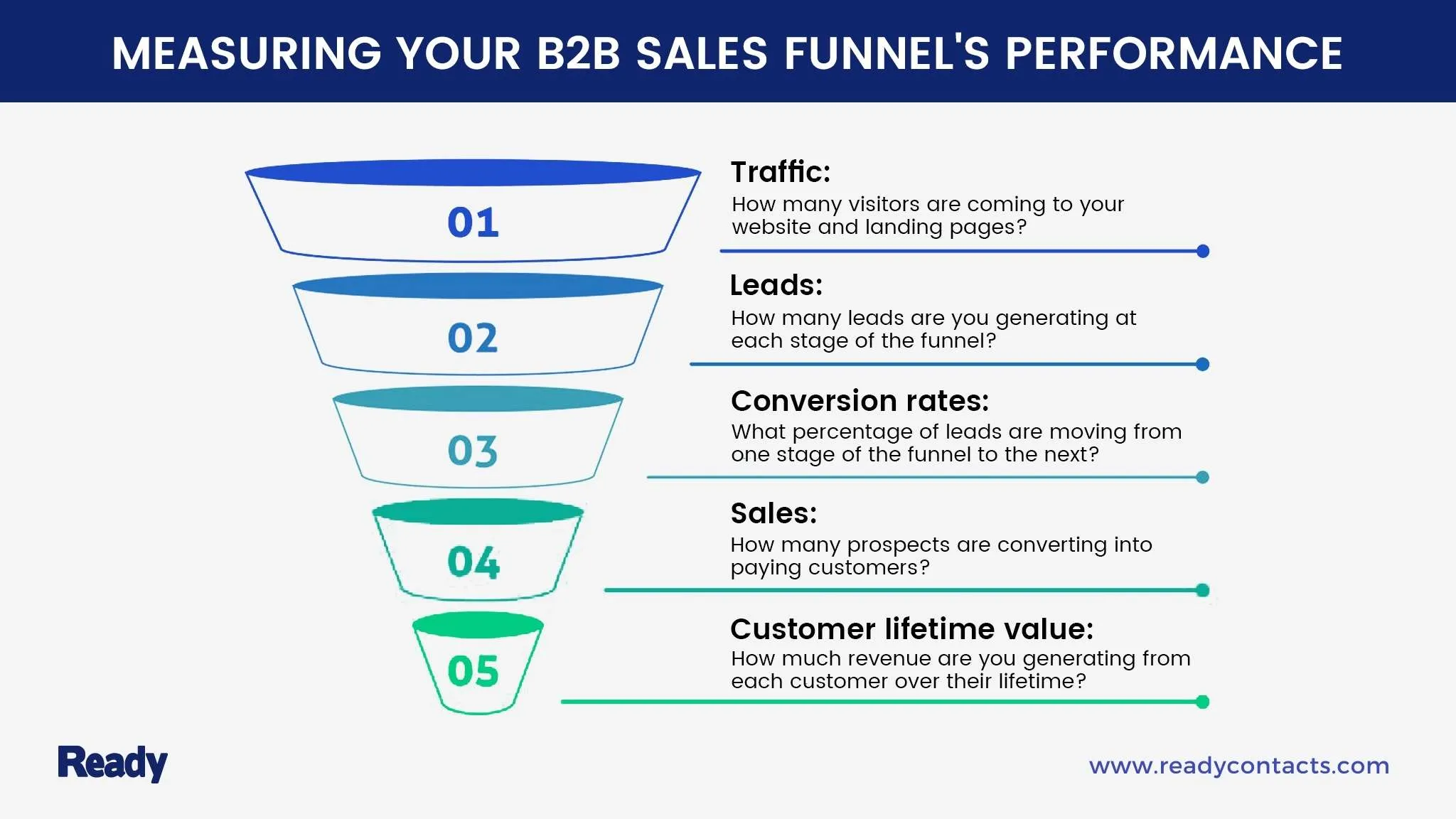
Clicks, impressions, and website traffic are useful indicators, but they do not always reveal whether an advertising campaign is profitable. Businesses need to measure key performance indicators such as conversion rate, cost per lead (CPL), customer acquisition cost (CAC), return on ad spend (ROAS), and overall marketing ROI.
Accurate conversion tracking allows marketers to understand which campaigns, keywords, advertisements, and landing pages contribute to business growth. Connecting advertising platforms with analytics tools and CRM systems can also help businesses determine whether leads eventually become customers. This creates a clearer picture of campaign performance and supports better budget allocation.
Use A/B Testing to Improve Campaign Performance
Advertising performance can improve significantly when businesses test different versions of their campaigns instead of relying on assumptions. A/B testing involves comparing elements such as headlines, ad copy, images, calls to action, audience segments, and landing page layouts to identify what works best.
For example, a business may discover that an advertisement highlighting cost savings generates more qualified enquiries than one focusing only on product features. Testing one major variable at a time and evaluating results against meaningful conversion metrics helps marketers make evidence-based decisions. Over time, these improvements can lower acquisition costs and increase the effectiveness of advertising budgets.
Eliminate Underperforming Campaigns and Keywords
Not every campaign or keyword deserves an equal share of the advertising budget. Some may generate consistent sales, while others attract irrelevant traffic or expensive leads that rarely convert. Businesses should regularly review campaign reports to identify poor-performing keywords, ineffective placements, weak audience segments, and advertisements that fail to meet their objectives.
Adding negative keywords to search campaigns, refining targeting settings, pausing consistently underperforming ads, and reallocating budgets toward proven opportunities can reduce unnecessary spending. However, decisions should be based on sufficient data and conversion quality rather than short-term fluctuations alone.
Improve Your Website Before Increasing Ad Spend
Increasing an advertising budget may seem like the fastest way to generate more leads, but it can amplify existing website problems. If visitors encounter technical errors, unclear service information, slow-loading pages, or a complicated enquiry process, additional traffic may simply lead to higher costs without improved results.
A technically sound website supports more effective digital marketing. Businesses should prioritize website speed, mobile responsiveness, clear service pages, strong calls to action, search engine optimization, and reliable analytics. Improving these fundamentals can help businesses convert a greater percentage of their existing traffic and build a stronger foundation for paid advertising.
Use Data and Automation to Make Smarter Decisions
Modern digital marketing relies on accurate data and continuous optimization. Marketing analytics, automated reporting, CRM integration, and lead tracking can help businesses identify campaign trends, monitor performance, and respond to problems more quickly. Automation can also support lead follow-ups, ensuring that potential customers receive timely communication after submitting an enquiry.
However, automation and AI tools should support human decision-making rather than replace strategic oversight. Marketers still need to review lead quality, validate tracking data, assess profitability, and ensure that campaign adjustments align with business goals. Combining automation with regular performance analysis can make advertising management more efficient and transparent.
How Devobyte Can Help Businesses Reduce Wasted Ad Spend
Reducing wasted ad spend requires more than adjusting advertising settings. It involves understanding how advertising, website performance, user experience, analytics, and conversion optimization work together. Devobyte helps businesses strengthen their digital presence through technology-focused solutions, including web development and digital growth initiatives that support better online performance.
By improving website functionality, optimizing user journeys, strengthening conversion pathways, and ensuring that digital platforms support marketing objectives, businesses can build a more effective foundation for their advertising campaigns. A data-driven approach helps organizations identify weaknesses, improve customer experiences, and make more informed decisions about where to invest their marketing budgets.
Conclusion: Make Every Advertising Dollar Count
Stopping wasted ad spend is not about eliminating advertising or choosing the cheapest campaigns. It is about understanding what drives profitable growth and investing in the strategies that deliver measurable results. By improving audience targeting, optimizing landing pages, tracking meaningful metrics, testing campaign variations, and fixing website conversion issues, businesses can reduce inefficiencies and improve marketing performance.
The most effective digital marketing strategy combines targeted advertising with a high-performing website, reliable analytics, and continuous optimization. For businesses seeking sustainable growth, the priority should be simple: stop paying for activity that does not create value and start investing in measurable outcomes.
To read more such articles kindly visit : Devobyte